I re-uploaded the project into my dropbox, and I think I touched up most of the comments that people made about it. Namely, the cutting out of the years, and the silent moments with only the footage and the natural sound effects. I think I like it better this way, it slowed the pace down a bit and made it a more stream of consciousness type of story—unlike before, where it did seem to speed up a bit at the end (but that was mostly my brother, rushing through the recording).
Anyway, I ultimately really enjoyed this project, even if I might've become tired of it by the end of the editing process, because I'd seen it so many times, but I think it turned out okay, in the end.
Friday, February 28, 2014

Thursday, February 27, 2014


Wednesday, February 26, 2014
Seahorse Key Cell Reception Mapping 8 / Project Updates
I was pleased with our project and the way it turned out. Although Cinema 4D is a program that was very new to us, I think we used it pretty effectively and shortened the rather common, steep learning curve. There were definitely things that we could improve on that we took from the critique. Unfortunately, we could not do all of them simply because of our lack of knowledge about Cinema. There are small things we could tweak in After Effects such as the picture size, slowing down our video, and inserting still frames of the places we walked.
In Audacity, we fixed some of our conversation WAV files and any weird noise or fuzziness.


In Audacity, we fixed some of our conversation WAV files and any weird noise or fuzziness.
After Effects stills of the map and making animations/bars
Chion Listening Exercises
Casual Listening
By YOURSELF ALONE do the following
Go sit somewhere with your laptop or a sheet of paper and writing utensil.
Pick three sounds in the environment where you are sitting.
Collect information about each such as:
Can you physically see the source of the sound? If so, describe and record textually.
Can you identify the precise cause of the sound? If so identify it.
How would you categorize this sound?
Keep listening to the sound or relisten. How does it evolve or progress over time? How does it change?
After "identifying" the sound, what DON"T you know about it?
How many sources can you attribute to this particular sound? Think about how Chion writes that listening to sound is like the stages of rocket and used the example of writing using a felt tip marker.
Semantic Listening
Position yourself so you are near people.
Describe the process that you went through moving from the casual listening of knowing that there are humans talking to people speaking language and the language forming words which you understand. And finally, what are the people actually saying? Do you understand the story or because you lack context, you only understand the words?
Reduced Listening
Think about the Pierre Schaeffer piece on trains that we just listened to.
This time pick one sound. It can be the same sound, but you can not listen causally and reductively at the same time. If you are able, record the sound on your phone and relisten to it over and over again.
"Participants quickly realize that in speaking about sounds they shuttle constantly between a sound's actual content its source, and its meaning."
Describe the sorts of pitches (high or low) characterize this sound?
Describe the volume of the sound?
Describe the kind of space the sound creates?
Are you able to feel this sound? What parts of your body does this sound impact and how?
What sorts of silence if any are found in this sound?
How many different sounds comprise this sound and describe those sounds?
What is the texture of this sound?
By YOURSELF ALONE do the following
Go sit somewhere with your laptop or a sheet of paper and writing utensil.
Pick three sounds in the environment where you are sitting.
Collect information about each such as:
Can you physically see the source of the sound? If so, describe and record textually.
Can you identify the precise cause of the sound? If so identify it.
How would you categorize this sound?
Keep listening to the sound or relisten. How does it evolve or progress over time? How does it change?
After "identifying" the sound, what DON"T you know about it?
How many sources can you attribute to this particular sound? Think about how Chion writes that listening to sound is like the stages of rocket and used the example of writing using a felt tip marker.
Semantic Listening
Position yourself so you are near people.
Describe the process that you went through moving from the casual listening of knowing that there are humans talking to people speaking language and the language forming words which you understand. And finally, what are the people actually saying? Do you understand the story or because you lack context, you only understand the words?
Reduced Listening
Think about the Pierre Schaeffer piece on trains that we just listened to.
This time pick one sound. It can be the same sound, but you can not listen causally and reductively at the same time. If you are able, record the sound on your phone and relisten to it over and over again.
"Participants quickly realize that in speaking about sounds they shuttle constantly between a sound's actual content its source, and its meaning."
Describe the sorts of pitches (high or low) characterize this sound?
Describe the volume of the sound?
Describe the kind of space the sound creates?
Are you able to feel this sound? What parts of your body does this sound impact and how?
What sorts of silence if any are found in this sound?
How many different sounds comprise this sound and describe those sounds?
What is the texture of this sound?
Checking out the mics
Link to hear our tests ------> https://soundcloud.com/user9634010/
c1000s
------
condenser
50-20000hz (vocals and non-string instruments)
dynamic range - 118dB
cardioid
preamp
audiotechnica at822
-------------------
condenser
70-18000hz
cardioid/supercardiod (on tele)
direct to computer
shure sm57
----------
dynamic
40-15000kz
cardioid
preamp
c1000s
------
condenser
50-20000hz (vocals and non-string instruments)
dynamic range - 118dB
cardioid
preamp
audiotechnica at822
-------------------
condenser
70-18000hz
cardioid/supercardiod (on tele)
direct to computer
shure sm57
----------
dynamic
40-15000kz
cardioid
preamp
Microphone Testing
AKG C1000S Microphone
Type of Mic: Condenser
Frequency Response: 50 hz - 20k hz
Input device: straight into computer, MicPort Pro
For Vocals singing into the mic (appropriate)


RODE mic NT55
Type of Mic: Condenser
Frequency Response: 20 hz - 20k hz
Input device: straight into computer, MicPort Pro
^^^ PROBLEM MIC…. NEXT
RODE NTG2
Type of Mic: Condenser
Frequency Response: 20 hz - 80 hz
Input device: straight into computer, MicPort Pro
Record Properly: singing straight into the mic

https://soundcloud.com/user15949527/rode-ntg2
Record Improperly: singing not in the range because it's a directional mic!

Type of Mic:
Frequency Response: 100hz - 10khz
Input device: straight into computer
^^^ PROBLEM MIC…. NEXT
Type of Mic: Condenser
Frequency Response: 50 hz - 20k hz
Dynamic Range: 118 dB
Pattern: cardioidInput device: straight into computer, MicPort Pro
For Vocals singing into the mic (appropriate)
Talking with mic farther away (inappropriate way)
Type of Mic: Condenser
Frequency Response: 20 hz - 20k hz
Dynamic Range:
Pattern: cardioid and omnidirectional (interchangeable)Input device: straight into computer, MicPort Pro
^^^ PROBLEM MIC…. NEXT
RODE NTG2
Type of Mic: Condenser
Frequency Response: 20 hz - 80 hz
Dynamic Range: 113 dB
Pattern: DirectionalInput device: straight into computer, MicPort Pro
Record Properly: singing straight into the mic
https://soundcloud.com/user15949527/rode-ntg2
Record Improperly: singing not in the range because it's a directional mic!
https://soundcloud.com/user15949527/inapopp-c10000s
Mini Amplifier Speaker
Frequency Response: 100hz - 10khz
Dynamic Range: 50 dB
Pattern: Input device: straight into computer
^^^ PROBLEM MIC…. NEXT
Sennheiser ME-66
Type of Mic: Condenser
Frequency Response: 40 - 20k hz
Input device: straight into computer MicPort Pro
Appropriate
https://soundcloud.com/user15949527/appropsennheiser
Inappropriate:
https://soundcloud.com/user15949527/sennheiserinappro
Frequency Response: 40 - 20k hz
Dynamic Range: 2.5 dB
Pattern: supercardoid, short gun micInput device: straight into computer MicPort Pro
Appropriate
https://soundcloud.com/user15949527/appropsennheiser
Inappropriate:
https://soundcloud.com/user15949527/sennheiserinappro
MIC exercise
MIC 1: RHODE MICROPHONE using SHURE input device
Condenser Microphone
Frequency Range: 20Hz - 20kHz selectable
HPF@80Hz/12db Octave
Dynamic Range: 113db (per IEC651)
Super-Cardiod
BOTH CLIPS
(ideal is two people talking within the cardioid range, non-ideal is ambient noise which ends up really distant and soft)
MIC 2: AKG C1000 S using BeachTech input device
Condenser Microphone
Frequency Range: 50 to 20,000 Hz
Dynamic Range: 137 dB (???)
Cardioid, hypercardiod (with PPC mounted)
BOTH CLIPS
(idea is one person talking at it, bad is people talking on the side of it)
MIC 3: SENNHEISER MD46 using BeachTech input device
Condensor ("pressure gradient dynamic")
Frequency Range: 40 Hz - 18 Hz
Dynamic Range: not specified by manufacturer
Cardioid
BOTH CLIPS
(basically same scenario as other ones)
Condenser Microphone
Frequency Range: 20Hz - 20kHz selectable
HPF@80Hz/12db Octave
Dynamic Range: 113db (per IEC651)
Super-Cardiod
BOTH CLIPS
(ideal is two people talking within the cardioid range, non-ideal is ambient noise which ends up really distant and soft)
MIC 2: AKG C1000 S using BeachTech input device
Condenser Microphone
Frequency Range: 50 to 20,000 Hz
Dynamic Range: 137 dB (???)
Cardioid, hypercardiod (with PPC mounted)
BOTH CLIPS
(idea is one person talking at it, bad is people talking on the side of it)
MIC 3: SENNHEISER MD46 using BeachTech input device
Condensor ("pressure gradient dynamic")
Frequency Range: 40 Hz - 18 Hz
Dynamic Range: not specified by manufacturer
Cardioid
BOTH CLIPS
(basically same scenario as other ones)
Microphone Testing Testing Testing TESTING AHHH TESTING!!!!
Please test 3 different kinds of microphones.
In blog post, for each mic do the following
name of mic
type of mic (dynamic, condenser, etc)
frequency response
dynamic range
pattern (cardioid etc)
Then make 2 recordings, one using the appropriate environment for the mics specs and another that uses the wrong environment for your mic. Compare and contrast the two sounds.
Mic 1 - Sennheiser MD 46- dynamic - 20dB - 44/40-18,000 Hz - cardioid
-needed amplification
- picked up voices fairly well with limited background interruption
-when used correctly everything sounds pretty smooth with very little interference
-when not amplified there is little to no sound recorded and/or heard
Mic 2 - Rode NTG-2 - 20Hz - 113dB - super cardioid
-did not need amplification
-shotgun type mic, picked up very specific noises/voices
-very clear when used correctly, picked up alot of surrounding noise when used the wrong way
Mic 3 - KORG contact mic
-needed amplification
-picked up surrounded noises
-even when talking straight into mic the voice can barely be heard
In blog post, for each mic do the following
name of mic
type of mic (dynamic, condenser, etc)
frequency response
dynamic range
pattern (cardioid etc)
Then make 2 recordings, one using the appropriate environment for the mics specs and another that uses the wrong environment for your mic. Compare and contrast the two sounds.
Mic 1 - Sennheiser MD 46- dynamic - 20dB - 44/40-18,000 Hz - cardioid
-needed amplification
- picked up voices fairly well with limited background interruption
-when used correctly everything sounds pretty smooth with very little interference
-when not amplified there is little to no sound recorded and/or heard
Mic 2 - Rode NTG-2 - 20Hz - 113dB - super cardioid
-did not need amplification
-shotgun type mic, picked up very specific noises/voices
-very clear when used correctly, picked up alot of surrounding noise when used the wrong way
Mic 3 - KORG contact mic
-needed amplification
-picked up surrounded noises
-even when talking straight into mic the voice can barely be heard
Microphone Testing
Please test 3 different kinds of microphones.
In blog post, for each mic do the following
name of mic
type of mic (dynamic, condenser, etc)
frequency response
dynamic range
pattern (cardioid etc)
Also specify what sort of adapter you used if any or if you went straight into the computer with the microphone.
Then make 2 recordings, one using the appropriate environment for the mics specs and another that uses the wrong environment for your mic. Compare and contrast the two sounds.
In blog post, for each mic do the following
name of mic
type of mic (dynamic, condenser, etc)
frequency response
dynamic range
pattern (cardioid etc)
Also specify what sort of adapter you used if any or if you went straight into the computer with the microphone.
Then make 2 recordings, one using the appropriate environment for the mics specs and another that uses the wrong environment for your mic. Compare and contrast the two sounds.
Tuesday, February 25, 2014
Seahorse Key Cell Reception Mapping 9 Reflections
This project has definitely expanded our horizons in another program which was Cinema. We definitely experienced much hardship in both Cinema and After Effects. Some of the problems we experienced with Cinema was the rendering and camera angling. In After Effects most of our project was edited and composed on. There we had major issues with freeze framing due to the layering we had created to make the wireframe show up in the background. In addition, we had problems with timing of the frames so that it would be an extended video. After our critique these were what we received to change where we went back and figured out how to freeze frame, change the the texture, and making sure you have time to take in the photos as well as the other information shown. Also we changed the size of the images of each stop on the island. We noticed it improved the quality of the video and allowed or audience to comprehend whats going on in a slower pace. Although we were frustrated and had many times where we wanted to give up we were able to produce something we were happy with! Along with the changes its hard to go back to something but we now see the necessity in them.
Monday, February 24, 2014
Sound project idea
Composicion urbana
So, I think what I'll make for this, is expand on a project I did for WARP in which I wrote the score for a recording of traffic sounds intermingled with violins. I think it would be a nice way to end if I made a (hopefully better) version of that project, but with the sounds of the forest instead.
So, I think what I'll make for this, is expand on a project I did for WARP in which I wrote the score for a recording of traffic sounds intermingled with violins. I think it would be a nice way to end if I made a (hopefully better) version of that project, but with the sounds of the forest instead.
Update on Proj idea/forest/class convo with katerie
I want to focus on the overlaying orchestra sound so forest. Over time built up
Like a tree rings of the forest, i should circumference around an area making "rings" of sounds of a certain spot and record daily/almost daily the same area and building up the "music" sounds of the place/ overlaying it. I would choose several sections, one where there was burning, growth, cutting, old trees, new trees (ask more information about the exact different sections of areas there is) and do that to all of them, making a controlled systemized forest (parallel to how they systemize their forest) that take on their own life of sound (with me recording nature and having no control over sound) and displaying it with several "tree rings" of sound
Like a tree rings of the forest, i should circumference around an area making "rings" of sounds of a certain spot and record daily/almost daily the same area and building up the "music" sounds of the place/ overlaying it. I would choose several sections, one where there was burning, growth, cutting, old trees, new trees (ask more information about the exact different sections of areas there is) and do that to all of them, making a controlled systemized forest (parallel to how they systemize their forest) that take on their own life of sound (with me recording nature and having no control over sound) and displaying it with several "tree rings" of sound
Cage, Kaprow and you —response
Write about a visual experience that recalled an aural or sound experience. Then write about an aural experience that recalled a visual experience. Describe each of the modalities was related to the other for you. Think about the way that Rilke and Kaprow thought about or apprehended vision in terms of sound. What parallels if any are there between your experiences the ideas or methods of Rilke and Kaprow?
There've been occasions, when I go to a place of my childhood that had a special meaning, at the time, where I can hear the conversations that took place or the voices of the people that were with me at the time, in my head. Some are happy memories, and some not so much. For instance, there's a particular stretch of tiled floor next to my grandparents' house that I was walking on with my cousin, when I heard my brother's screams echo from where he'd been playing with my other cousins when he was stung by a scorpion. I remember the surprise of hearing him so clearly when he was so far away, and the dismissal when I assumed he'd probably fallen and scraped a knee or something, before my little sister ran towards us and happily informed me that he'd gotten stung by a scorpion. It was a jarring experience that will likely remain in my head forever.
The opposite has happened too, however. In a much lighter and happier memory, this time, I go from an aural to a visual thought process every time I hear a soundtrack from a movie. I've plotted out stories to soundtracks of movies I'd already seen—in fact I fell asleep while listening to the Pirates of the Caribbean soundtrack once, and woke up with a whole story in my head that followed the music to a T. There's also the sort of experience that comes when you're walking around Universal Studios Islands of Adventure. I for one can't help but to be transported to the world of the dinosaurs when I walk through the gate with the movie's renown soundtrack coming from the hidden speakers, or feel like I'm capable of magic while being surrounded by the tune of Harry Potter.
Arguably not the most profound takes on sound, when you compare them to Rilke, Kaprow, or Cage's thoughts about it, but very relatable, I think, in the grand scheme of things.
I recall I made a project for WARP that was meant to be considered as a "collaborative piece" with John Cage (he was the artist I picked out of the hat, per se). After watching some of his interviews on youtube, I decided I'd try to write a score for the sounds of traffic. I made different symbols and ranges for each type of noise (the cars, the voices of people, and the footsteps), and wrote them out as notes on a music sheet, and animated it to go along with the "music".
Really I think that, what Rilke and Kaprow zero in on, when talking about Cage, is the idea that the world is a perfect place on its own that requires no improvement on our part, and that 'art' should come from the exploration of this world. Not to change it, but to understand it. Personally, I'm someone who's more than happy to think of a world different than ours, and like the idea of creating a soundscape from things that lose their usual connotations when structured and positioned in a specific way.
Cage Kaprow and You response
Write about a visual experience that recalled an aural or sound experience. Then write about an aural experience that recalled a visual experience. Describe each of the modalities was related to the other for you. Think about the way that Rilke and Kaprow thought about or apprehended vision in terms of sound. What parallels if any are there between your experiences the ideas or methods of Rilke and Kaprow?
An aural experience that recalled a visual experience I've had is when I used to go to Maine for sleep away camp, the sounds of loons on the lake were really prominent and echoed throughout the camp. From those sounds, I could envision the loons at the sun would rise. Other daily experiences I have which recall visual experiences are when people tell me stories. Through the stories, I recreate the story, a visual, in my head. I think in regards to John Cage, in the musique concrete piece, was able to use an aural experience to create a visual experience. With the sounds of the trains, while I closed my eyes I was able to see the trains and envisioned myself outside of the trains watching to trains go by.
A visual experience that recalled an aural experience I've had is when looking at photographs, I imagine sounds that could have occurred within that snapshot. When people are laughing in a photo, I can hear the laughter. It gives more life to these snapshots which only include visuals.
"Cage, Kaprow and You" Response
Write about a visual experience that recalled an aural or sound
experience. Then write about an aural experience that recalled a visual
experience. Describe how each of the modalities was related to the other for
you. Think about the way that Rilke and Kaprow thought about or
apprehended vision in terms of sound. What parallels if any are there
between your experiences the ideas or methods of Rilke and Kaprow?
Visual that recalls sound: My first thought regarding this portion of the question is about music. I imagine a video on the internet of a band playing jazz with trumpets and saxophones, and how completely it would be different if it were played on mute. I also think about fruit, and the distinct/unique sounds they each make when they're bitten into.
Sound that recalls visual: I think fruit works especially well in these circumstances as well. The sound of someone biting into an apple immediately recalls an image, as well as a taste, and even a textural feeling.
Related to the artists: I feel like this especially relates to the piece with train sounds. For me, when I was listening, I closed my eyes and saw the old western movies with the faded sort of sepia washed film effect and the warm colors of the settings. This image in my mind also makes me think of the sort of cheesy old music that went alongside images of the lone ranger charging forward with a "Hi ho Silver!"
Visual that recalls sound: My first thought regarding this portion of the question is about music. I imagine a video on the internet of a band playing jazz with trumpets and saxophones, and how completely it would be different if it were played on mute. I also think about fruit, and the distinct/unique sounds they each make when they're bitten into.
Sound that recalls visual: I think fruit works especially well in these circumstances as well. The sound of someone biting into an apple immediately recalls an image, as well as a taste, and even a textural feeling.
Related to the artists: I feel like this especially relates to the piece with train sounds. For me, when I was listening, I closed my eyes and saw the old western movies with the faded sort of sepia washed film effect and the warm colors of the settings. This image in my mind also makes me think of the sort of cheesy old music that went alongside images of the lone ranger charging forward with a "Hi ho Silver!"
Reading Question
Write about a visual experience that recalled an aural or sound experience. Then write about an aural experience that recalled a visual experience. Describe each of the modalities was related to the other for you. Think about the way that Rilke and Kaprow thought about or apprehended vision in terms of sound. What parallels if any are there between your experiences the ideas or methods of Rilke and Kaprow?
I'd have to say, everything you see on the screen with sound (like a film or video game) is a visual experience that recalls an aural experience. As for an aural experience that recalls a visual one, I tend to remember the visual projects I worked on when I hear the songs I played while making them; or, if the TV is on in the background, I often start to associate a movie or show with a painting. That's happened a few times, although the association fades with time. I watched a bunch of zombie films while I worked on this one drawing project, so the drawings sometimes reminded me of the films; "Oh ya, I remember working on that area but I got distracted by the opening scenes of 28 Days Later." That's a visual and aural experience connected by memory.
Kaprow spoke of John Cage and his philosophy of "letting things happen." Chance in sound, in visuals, in experience. How much control does the artist want over their own experience? We want control over the viewer, but Kaprow suggests that perhaps this isn't always the best way to approach making art... in a few words... "why so serious?" Is it always meaningful that my drawings of animal hybrids remind me of zombie films (has cultural and personal implications in the least)? Or should I try to control those connections more? Kaprow seems to ask these questions of control.
Rilke talked of poetry, and how good poems encompass all the senses. I think this is true in the sense (ha) that you can't really limit a work of art to one sense. The suggestion is sort of absurd, as we passively use our senses all the time. Every experience is "experienced" in a multitude of ways, colliding together in memory in all kinds of different ways (does the song remind you of the painting or the is the painting the song?) So ya, this is a "sound" project, but you can't ignore the other senses just because of that. The omission of sound or visuals is just as important as an inclusion, after all. Silence can speak loudest, pure black and white create contrast. That's why I was thinking about using black and white visuals as part of sound piece; to conjure up an ominous, dark tone that will enhance my sound- but sound comes first, that choice has been made for me in this case.
I'd have to say, everything you see on the screen with sound (like a film or video game) is a visual experience that recalls an aural experience. As for an aural experience that recalls a visual one, I tend to remember the visual projects I worked on when I hear the songs I played while making them; or, if the TV is on in the background, I often start to associate a movie or show with a painting. That's happened a few times, although the association fades with time. I watched a bunch of zombie films while I worked on this one drawing project, so the drawings sometimes reminded me of the films; "Oh ya, I remember working on that area but I got distracted by the opening scenes of 28 Days Later." That's a visual and aural experience connected by memory.
Kaprow spoke of John Cage and his philosophy of "letting things happen." Chance in sound, in visuals, in experience. How much control does the artist want over their own experience? We want control over the viewer, but Kaprow suggests that perhaps this isn't always the best way to approach making art... in a few words... "why so serious?" Is it always meaningful that my drawings of animal hybrids remind me of zombie films (has cultural and personal implications in the least)? Or should I try to control those connections more? Kaprow seems to ask these questions of control.
Rilke talked of poetry, and how good poems encompass all the senses. I think this is true in the sense (ha) that you can't really limit a work of art to one sense. The suggestion is sort of absurd, as we passively use our senses all the time. Every experience is "experienced" in a multitude of ways, colliding together in memory in all kinds of different ways (does the song remind you of the painting or the is the painting the song?) So ya, this is a "sound" project, but you can't ignore the other senses just because of that. The omission of sound or visuals is just as important as an inclusion, after all. Silence can speak loudest, pure black and white create contrast. That's why I was thinking about using black and white visuals as part of sound piece; to conjure up an ominous, dark tone that will enhance my sound- but sound comes first, that choice has been made for me in this case.
Cage/Kaprow response
Write about a visual experience that recalled an aural or sound
experience. Then write about an aural experience that recalled a visual
experience. Describe each of the modalities was related to the other for
you. Think about the way that Rilke and Kaprow thought about or
apprehended vision in terms of sound. What parallels if any are there
between your experiences the ideas or methods of Rilke and Kaprow?
The strongest visual I can think of that would make me react to a sound that isn't there would be watching someone drag their nails on a chalk board. Just the visual makes me shiver and react as if the sound is there. It's like my mind is so aware of what that sounds like that the actual sound is not needed anymore. My mind just puts it there, it fills in the blanks with what it knows it must sound like.
The opposite happens when I hear something very familiar, if its not familiar my mind will immediately start associating things that sound similar and try to figure out what is making that noise. Like with the visual sparking a reaction to a sound that is not there, my mind automatically scrambles to fill in the blanks as to what is happening.
The strongest visual I can think of that would make me react to a sound that isn't there would be watching someone drag their nails on a chalk board. Just the visual makes me shiver and react as if the sound is there. It's like my mind is so aware of what that sounds like that the actual sound is not needed anymore. My mind just puts it there, it fills in the blanks with what it knows it must sound like.
The opposite happens when I hear something very familiar, if its not familiar my mind will immediately start associating things that sound similar and try to figure out what is making that noise. Like with the visual sparking a reaction to a sound that is not there, my mind automatically scrambles to fill in the blanks as to what is happening.
Kaprow Response
Write about a visual experience that recalled an aural or sound experience. Then write about an aural experience that recalled a visual experience. Describe each of the modalities was related to the other for you. Think about the way that Rilke and Kaprow thought about or apprehended vision in terms of sound. What parallels if any are there between your experiences the ideas or methods of Rilke and Kaprow?
A visual experience that I had, actually multiple of them, was at Seahorse Key walking along the sandy coast. As I walked along the edge to certain points, I experienced certain sounds like the waves moving and crashing or stepping on tree trunks. I guess an aural experience I've had before is at the beach when I'm gazing at the clouds. I instantly think of things that the clouds resemble or memories associated with the cloud figures I see. Looking at the clouds in a way triggers something in my brain that wouldn't normally be triggered.
- correlation between clouds and memories
- beach sounds and how they affect what we see
Cage, Kaprow and Me?
Write about a visual experience that recalled an aural or sound experience. Then write about an aural experience that recalled a visual experience. Describe each of the modalities was related to the other for you. Think about the way that Rilke and Kaprow thought about or apprehended vision in terms of sound. What parallels if any are there between your experiences the ideas or methods of Rilke and Kaprow?
I looked at a picture of space and thought of really stereotypical space sounds like in the Space Mountain ride at the Magic Kingdom of the Walt Disney World Resort.
Listen here: http://www.youtube.com/watch?v=OpT83XFX46s I love it! I sleep to it sometimes.
I think these are related because of my part experience. The picture brought me back to this feeling I had of waiting in line for that ride... of being in the dark, of seeing the fake stars..
Aural experience... listening to the sounds of someone smacking their gum and visualizing their mouth chewing. Gross. I hate that sound, so when I hear it, I am automatically brought to feelings of annoyance.
It's funny how these two experiences are opposite feelings for me. "I love this," "I hate that."
Kaprow said that according to Cage the world is perfect if we could see, hear, and understand it but, "If we couldn't, that was because our senses were closed and our minds were filled with preconceptions." I think the ideas and associations I mentioned above are filled with preconceptions, of course. They are based in my experiences. I wonder how that is even possible.. to view something (the world), without preconceptions. Was Cage a nice guy?
Check:
Peter and the Wolf
Spirited Away
Zin Zin Zin a Violin!
I looked at a picture of space and thought of really stereotypical space sounds like in the Space Mountain ride at the Magic Kingdom of the Walt Disney World Resort.
Listen here: http://www.youtube.com/watch?v=OpT83XFX46s I love it! I sleep to it sometimes.
I think these are related because of my part experience. The picture brought me back to this feeling I had of waiting in line for that ride... of being in the dark, of seeing the fake stars..
Aural experience... listening to the sounds of someone smacking their gum and visualizing their mouth chewing. Gross. I hate that sound, so when I hear it, I am automatically brought to feelings of annoyance.
It's funny how these two experiences are opposite feelings for me. "I love this," "I hate that."
Kaprow said that according to Cage the world is perfect if we could see, hear, and understand it but, "If we couldn't, that was because our senses were closed and our minds were filled with preconceptions." I think the ideas and associations I mentioned above are filled with preconceptions, of course. They are based in my experiences. I wonder how that is even possible.. to view something (the world), without preconceptions. Was Cage a nice guy?
Check:
Peter and the Wolf
Spirited Away
Zin Zin Zin a Violin!
Cage, Kaprow and you
I believe that even though we might only have a sound sense when doing this project but with whatever that may be given we always think of a visual aspect. For example, in class today when we were hearing John Cage's sound piece on the train I somehow experienced horses with the train sounds and I thought about the gallops with an addition to a visual race in my head with a train and a horse. I believe there are always some sort of parallel with sound and visual aspects and I believe this is so because there are so many sounds that we interact with everyday that makes us associate with a visual aspect. Even when experiencing a meditational type of sound it takes to this peacefully mindset and allows as to associate a visual place that brings us that piece. When connecting an installation with sound that allows us to experience both at the same time where that can also create a parallel to enhance the experience.
Cage/Krapow response
visual to aural
-----------------------
Movement, especially when attributed by a speed, constant or changing, usually sparks a sound idea in my mind that accompanies the movements of this thing that I'm watching.
example:
I remember being very young, maybe 4 or 5 years old, and seeing a pair of swallows flying around, playing and chasing each other, by a park I used to go to often with my family. They are such agile creatures so the manoeuvres they do while flying are very easy to associate with gentle or intense sounds, with faster or slower sounds, and so on.
aural to visual
-----------------------
Sounds that create landscapes are some of my favorite. Sometime it's a song, sometime it's a music score and sometimes it might just be standing in the middle of a space, closing your eyes and listening to what's around you.
example:
Waking up early in the summer mornings when I'm back home in St. Pete, you can hear the breeze, rustling trees, song birds and cars driving by. Maybe its because I've lived there for a while but when I close my eyes I can tell where everything is and approximate what my surroundings look like based on what I'm hearing.
-----------------------
Movement, especially when attributed by a speed, constant or changing, usually sparks a sound idea in my mind that accompanies the movements of this thing that I'm watching.
example:
I remember being very young, maybe 4 or 5 years old, and seeing a pair of swallows flying around, playing and chasing each other, by a park I used to go to often with my family. They are such agile creatures so the manoeuvres they do while flying are very easy to associate with gentle or intense sounds, with faster or slower sounds, and so on.
aural to visual
-----------------------
Sounds that create landscapes are some of my favorite. Sometime it's a song, sometime it's a music score and sometimes it might just be standing in the middle of a space, closing your eyes and listening to what's around you.
example:
Waking up early in the summer mornings when I'm back home in St. Pete, you can hear the breeze, rustling trees, song birds and cars driving by. Maybe its because I've lived there for a while but when I close my eyes I can tell where everything is and approximate what my surroundings look like based on what I'm hearing.
Sound project
ideas for AC forrest
--------------------------------
heartbeat, drums, rythmic thumps
sound coming out the bottom of a "tree trunk" installation
beetle crunching
(talk to Yuri, bring revised version of Seahorse key video)
"distant sounds" that carry and echo through the forest
inspiration
-----------------
yoko ono - voice piece for soprano
john cage - 4'33"
susan phlipsz - soundings
http://vimeo.com/30501143
--------------------------------
heartbeat, drums, rythmic thumps
sound coming out the bottom of a "tree trunk" installation
beetle crunching
(talk to Yuri, bring revised version of Seahorse key video)
"distant sounds" that carry and echo through the forest
inspiration
-----------------
yoko ono - voice piece for soprano
john cage - 4'33"
susan phlipsz - soundings
http://vimeo.com/30501143
Cage, Kaprow and you
Cage, Kaprow and you
Write about a visual experience that recalled an aural or sound
experience. Then write about an aural experience that recalled a visual
experience. Describe each of the modalities was related to the other for
you. Think about the way that Rilke and Kaprow thought about or
apprehended vision in terms of sound. What parallels if any are there
between your experiences the ideas or methods of Rilke and Kaprow?
Early Brainstorm
So, the last project involved creating a "monster" of sorts, but there we went to lengths to go "authentic" rather than a path of dramatization. So maybe for this project, I want to let loose with fantasy and drama to inform a more mature concept.

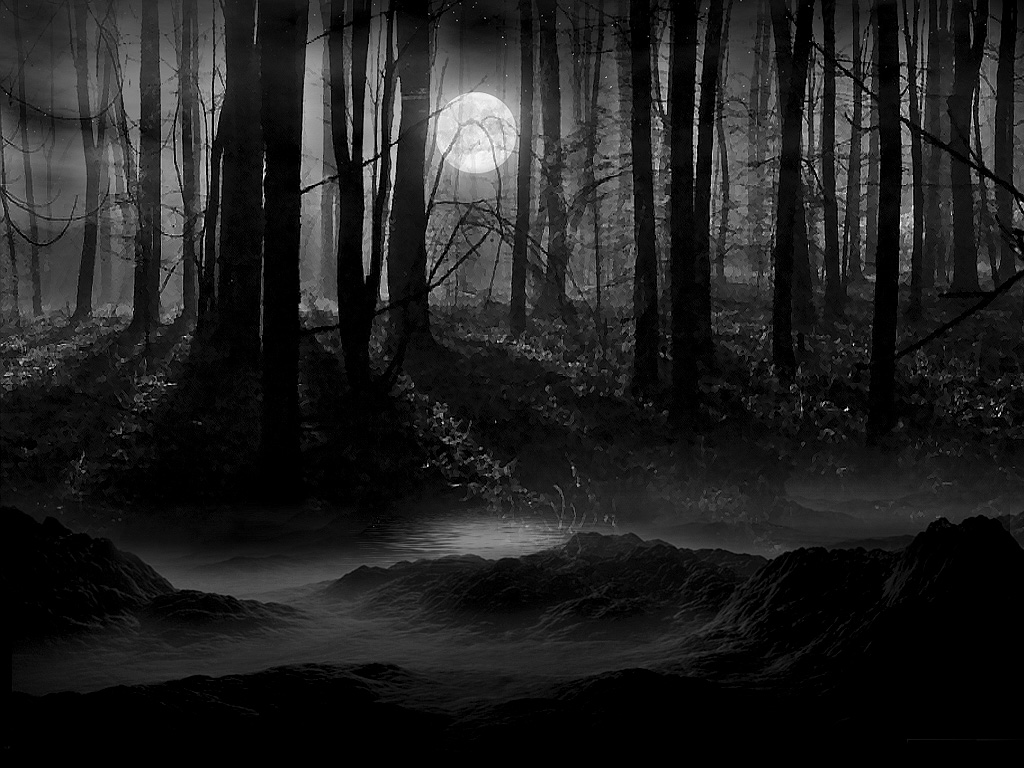
We "dramatize" and personify forests all the time in popular media and narratives. There's the beautiful natural forest, the mystery fairy forest, the grand Narnia type forest filled with fantastic creatures. On the other side of the coin, there's the horror movie, dark and foreboding forest where monsters, ghosts, and serial killers lurk.
I think these two "good and evil" forests dominate our views of "forest" as an abstract concept; even as we've actually been in forests, most of us are not all that familiar with forests, spending most of our lives inside. The most intimate memories of wooded areas lie in childhood for kids like me, who hail from suburbia where a "forest" might lie close by but isn't "where you live."
I was sort of inspired by the one video with the music from "Bambi," where they frolic happily in the forest until the end, when they get spooked and flee back to their van. The "good and evil" forests are both at play here, and while it's basic, I find something fascinating about the primal origins to our relationships with forests. While forests give life, predators also really DO hide in the shadows, and stalked our ancestors; the ones of whom didn't run away fast enough got killed.
But in these groomed, "managed" forests that amount to a gigantic science experiment, so heavily controlled by man and free of large predators (but not snakes) can I find such deep shadows of primal fear? Using music to set mood is really effective and can be fun. So, I think that's what I want to do: mix ambient sounds to create an atmosphere of fear in a video about being the forest. It's a simple task. I want to capture the scary side of forests in an experimental (but cinematic) manner, a reminder of how hostile forests can be in a place (Gainesville) that seems to have tamed them. To play on that instinctual feat that something is stalking behind you, with malicious intent. A fear that originates in the shadows of a forest, a natural place that invites life as well as death. To remind: that's it, what I want to do, to remind people that nature at it's core is dangerous for human beings, no matter how managed it might seem.
I think these two "good and evil" forests dominate our views of "forest" as an abstract concept; even as we've actually been in forests, most of us are not all that familiar with forests, spending most of our lives inside. The most intimate memories of wooded areas lie in childhood for kids like me, who hail from suburbia where a "forest" might lie close by but isn't "where you live."
I was sort of inspired by the one video with the music from "Bambi," where they frolic happily in the forest until the end, when they get spooked and flee back to their van. The "good and evil" forests are both at play here, and while it's basic, I find something fascinating about the primal origins to our relationships with forests. While forests give life, predators also really DO hide in the shadows, and stalked our ancestors; the ones of whom didn't run away fast enough got killed.
But in these groomed, "managed" forests that amount to a gigantic science experiment, so heavily controlled by man and free of large predators (but not snakes) can I find such deep shadows of primal fear? Using music to set mood is really effective and can be fun. So, I think that's what I want to do: mix ambient sounds to create an atmosphere of fear in a video about being the forest. It's a simple task. I want to capture the scary side of forests in an experimental (but cinematic) manner, a reminder of how hostile forests can be in a place (Gainesville) that seems to have tamed them. To play on that instinctual feat that something is stalking behind you, with malicious intent. A fear that originates in the shadows of a forest, a natural place that invites life as well as death. To remind: that's it, what I want to do, to remind people that nature at it's core is dangerous for human beings, no matter how managed it might seem.
Sound brainstorm
WELL.
I think any and all ideas up to this point regarding this project pretty much stem from the readings from this weekend. Rilke's thoughts on what the sound of the coronal sutures of the skull would be if they were used as sound waves (seeing as they're so similar in shape and stuff), were particularly interesting.

But of course, that's also very similar to what Dragan and Ollie did for the mapping project so I don't know that I'll be able to get a different enough idea yet. I'll try. Or think of something else. But yes.
I think any and all ideas up to this point regarding this project pretty much stem from the readings from this weekend. Rilke's thoughts on what the sound of the coronal sutures of the skull would be if they were used as sound waves (seeing as they're so similar in shape and stuff), were particularly interesting.
But of course, that's also very similar to what Dragan and Ollie did for the mapping project so I don't know that I'll be able to get a different enough idea yet. I'll try. Or think of something else. But yes.
Sound Project Brainstorming
Quite honestly sound is not my strong suite!!!! But some ideas we have:
1. Rapping
2. Forest Beat Box
3. Tree Trunk Equalizer Patterns
4. Naturalistic Band (Austin Carey girls)
5. Xylophone out of wood / Maracas: Using the materials from the forest to make sounds, manmade sound out of natural elements
1. Rapping
2. Forest Beat Box
3. Tree Trunk Equalizer Patterns
4. Naturalistic Band (Austin Carey girls)
5. Xylophone out of wood / Maracas: Using the materials from the forest to make sounds, manmade sound out of natural elements
Sound Project Brainstorming


Idea 1: Compare and contrast humanity with "nature", which in this case is embodied by the forest, and explore the influences we have over each other through imagery/video. Not sure how I would deal with sound in this one.
Idea 2: Dig a wide hole with flat walls. Suspend camera somehow (preferably RED camera) level with the ground line, half in the hole, half above. Shot begins with the camera pointed at the canopy then pans down until it reaches the ground line, then the camera remains level and sinks into the ground. The sound would be correspondent with what's on screen, which I would achieve by installing mics at different heights among the trees, on the ground, and below the dirt. I'd edit the sounds together to flow smoothly with the camera motion, so it's kind of as though the viewer is moving through the trees with the content being showed. Hopefully the sounds will be noticeably different based on the height of the mic, but I think the transfer from above-ground sounds to soil sounds will make it obvious what's happening.
Project Plans
I already been had my idea, but ANYWAY!
I am making a sound mat for children! Sounds of the forest... going to use sensors so they can sit on it and touch the pads. Or I will make a website with buttons. Either way, it will be for children. I will make icons and what not for the sounds... Not sure what else to say so I will find some examples.


I am making a sound mat for children! Sounds of the forest... going to use sensors so they can sit on it and touch the pads. Or I will make a website with buttons. Either way, it will be for children. I will make icons and what not for the sounds... Not sure what else to say so I will find some examples.
I love this kind of thing! And it is colorful, no doubt I'd want mine to be comfortable. Or, I could take the leapfrog approach and make some kind of app game as I stated earlier. I will decide based on when the project is due and what I think I can do.
Sound project ideas
Random thoughts I will hopefully be able to put together in some way shape or form....
-bury mic, maybe in multiple spots for a few hours, see what sounds I get
-take image from forest, draw in audacity
-burn multiple objects you would find in the forest, difference between what a piece of bark sounds like when on fire vs. what grass sounds like when its on fire
-maybe something with the types of animals that live there
-layers of life in the forest
-Chuck Norris
-very very very slowly snap a branch from a tree. Record and slow down even more.
-bury mic, maybe in multiple spots for a few hours, see what sounds I get
-take image from forest, draw in audacity
-burn multiple objects you would find in the forest, difference between what a piece of bark sounds like when on fire vs. what grass sounds like when its on fire
-maybe something with the types of animals that live there
-layers of life in the forest
-Chuck Norris
-very very very slowly snap a branch from a tree. Record and slow down even more.
Seahorse Key Mapping project process cumulative post (before+after)
February 10
Preliminary diary draft on lined paper (not final look) (9 pages)


Preliminary diary draft on lined paper (not final look) (9 pages)
Final look on nice paper (6 pages)
February 11
List of backdrops to overlay the illustrations onto, in order:
February 12
SUBMISSION ONE WITHOUT CRITIQUE — REFLEXIONS
Village idiot audio might not be the best idea? I want to get it re-recorded in a normal tone/accent, because I think it's probably hard enough for people to understand without the thick villager accent (besides, my brother drops the accent sometimes, so it's a bit awkward).
Some of the illustrations had skips without transparency, and I'm not sure if I like it.
Subtitles probably still a good idea. I'd hoped it wouldn't be necessary, because I don't like them aesthetically. But it's a long video as it is, and with only thick spanish accent and cursive writing for a guide, I can imagine it'll get tedious pretty fast. Still thinking about putting in the random english audio sentences, but it might just make even more of a mess of the audio.
Eeeeeugh probably ought to work out how visible the script is in these darker scenes, but then I kind of like that it disappears. Still, I'll try reversing the polarity so that the handwriting turns white? That could look interesting (but then it could also look very cheesy)
AAH! FORGOT TO CHANGE THE TRANSPARENCY OF THIS ONE
I think I can make the shift from still to video much smoother.
February 17
UPDATE BEFORE I GET TO SHOW THIS IN CLASS ON WEDNESDAY
Got the audio re-recorded!! My brother sounds like a normal person now. It probably won't be much more understandable, but I won't get the urge to laugh every time I hear it.
Smoothed out the shift from illustration to video, and fixed the transparencies that needed tweaking.
Will add subtitles to both the old and the new version tomorrow.
February 18
It seems like the general consensus was that it needed to be paced slower, and that I should let the audience enjoy the visuals without having to follow along with the voice or the subtitles at some points. But I think, beyond the tinkering I have to do for the final editing (with smoother transitions, louder sound effects, and getting rid of the announcing of the years), that it sort of achieved what I intended it to do. It was a matter of melding history and the present, and whereas the person reading this story and going through all these things never existed, I placed him in a time and made reference to events that did. This, coupled with the decidedly modern shots that are filtered through an image of parchment made for a nice juxtaposition of both times, I think. So, I'm actually rather happy with it.
Kaprow and Rilke — Reading Response
With Kaprow, comes the notion that, perhaps if we were to see the world the way John Cage used to, we might not concern ourselves with creating a different one for our audience and ourselves—because the world is already perfect. It doesn't need any improvement on our part, so any and all focus coming from us should be placed in the play and study of what we find around us. Happenings, and 'chance' would be more effective ways of seeing the world, then.
Rilke sounds to me a bit of a lot biased with respect to sound, in an odd way. But then I might not have read it way. I don't know, he sounds pompous to me, and it's ironic, I suppose, considering he's talking about sound. What I did find interesting was his mention of the coronal sutures of the skull, and what sound they might produce if we were to reproduce them as sound waves.
What would be the sound of your head? Literally?
I don't know that I could find something as extreme as the lines on our skulls for this project in any way that related to the forest, but I think I'd like to go with the idea of taking existing sounds from the world as readymade compositions, or taking the visual elements that surround me as music sheets to be played.
Rilke sounds to me a bit of a lot biased with respect to sound, in an odd way. But then I might not have read it way. I don't know, he sounds pompous to me, and it's ironic, I suppose, considering he's talking about sound. What I did find interesting was his mention of the coronal sutures of the skull, and what sound they might produce if we were to reproduce them as sound waves.
What would be the sound of your head? Literally?
I don't know that I could find something as extreme as the lines on our skulls for this project in any way that related to the forest, but I think I'd like to go with the idea of taking existing sounds from the world as readymade compositions, or taking the visual elements that surround me as music sheets to be played.
Sunday, February 23, 2014
Weekend Readings/Thoughts
Alan Kaprow talks talks about the problems of boundaries and how to balance your "vision" with practicality. I think this is very relevant to us as art students, as we often have ideas that just can't fit inside a gallery space, or cost too much, or, most commonly, take way more than three or four weeks of intermittent work. The article seemed optimistic about this, and implied that such problems simply force you to make more decisions to fit into the real world- compromise is ok because it's part of "chance," in a way. It also starting talking about the myth/trope of the "suffering artist," and how this limited what was "worthy" in art criticism. I think this could be seen as connecting to the myth of "genius," the individual with a grand vision who compromises for no one. While I think sometimes you have to stick to your guns, being flexible is a core of the artistic experience, so I agree it is unfair to expect artists to work in a "box..." the box of the gallery space, the myth of the brooding genius, and so on. Artists need to strain against social boundaries in order to be relevant.
The second article was a poem in itself... the language flowery and complex, the thoughts conveyed both highly introspective as well as containing an intense scientific curiosity about the world. What song does your skull play?
The metaphor of the lover, standing at the center of "the circle" of experience, with so much dark space that constitutes what he/she cannot understand, yet does understand, connected with me. And what is one of the best ways to find yourself in this ephemeral space; losing your own identity in exchange for synchronization with the whole universe? Music, of course, although certain drugs probably do a decent job I can't speak for that. Sound is inherently non-figurative and abstract, and although it has multitudes of similarities with visual art (with scientific and cultural rules that define it) I am alway a little jealous of musicians who can touch people more immediately and directly with compositions than I can with still, moving, or "interactive" imagery.
So in a sense this sound project gives us an opportunity to try it, albeit with limited technical music/sound skills. Ultimately, our experience of the world is confined to the inside of our own skull. But how can I, as an artist, create something that makes the world inside a little more expansive?
I don't really have any ideas about the forest yet... besides a sort of thematic extension of the previous project, but I dunno, I'm still thinking.
The second article was a poem in itself... the language flowery and complex, the thoughts conveyed both highly introspective as well as containing an intense scientific curiosity about the world. What song does your skull play?
The metaphor of the lover, standing at the center of "the circle" of experience, with so much dark space that constitutes what he/she cannot understand, yet does understand, connected with me. And what is one of the best ways to find yourself in this ephemeral space; losing your own identity in exchange for synchronization with the whole universe? Music, of course, although certain drugs probably do a decent job I can't speak for that. Sound is inherently non-figurative and abstract, and although it has multitudes of similarities with visual art (with scientific and cultural rules that define it) I am alway a little jealous of musicians who can touch people more immediately and directly with compositions than I can with still, moving, or "interactive" imagery.
So in a sense this sound project gives us an opportunity to try it, albeit with limited technical music/sound skills. Ultimately, our experience of the world is confined to the inside of our own skull. But how can I, as an artist, create something that makes the world inside a little more expansive?
I don't really have any ideas about the forest yet... besides a sort of thematic extension of the previous project, but I dunno, I'm still thinking.
Thursday, February 20, 2014
Kaprow/Primal Listening & After forest ideas/thoughts/BRAINSTORM
if the world was perfect has as it, then it wasn't necessary to improve. real whorl was perfect, hearing it, seeing it. if it wasn't perfect, then our senses were closed and our minds were filled with preconceptions, thus making the world into our misery.
the forest as an orchestra, where i record going along a certain plain or path and when i go on that path again the next day/week (same path) i would gradually build the sound orchestra, and keep doing that. time based orchestra. then some days don't go so far or record one part making one part of orchestra more built. branching out?
look up orchestra how its built and made to music, the set up, the rules etc
when fire burning should that be climax?
should i make the sound into a story somewhat? can the sound of the forest overlaid and different parts produce a story? is there a happiness "sadness" "scary" factor of sounds found in natural world when pure?
composition was to start with a notion of sound
The second article was kind of amazing, with building the own phonograph and then the discovery of the skull of the human having the small lines and wondering what kind of sound that would produce if hooked up to the phonograph. Makes me wish I could build a phonograph and play the sounds of the forest from grass to bark to whatever else.
I was interested in the loss after the forest visit and what stood out was how he explained that the burning could cause damage and destroy trees but a loss has to happen in order for growth and more casualties not to happen. Another one was when they planted 2 trees at once and though it was a waste a lot of times to just throw out the second tree, this loss was necessary in order to insure that one good tree would make it and live to be good and healthy.
I would like to look up more information about burning, destroying, deterioration, loss, loss of burnt roots/trees, and loss of trees when growing them together.
some pointers I would like to tackle:
-what are you trying to make the audience experience? why?
-what do you want the audience to react to? why?
-how will the viewer experience what you want, iowa re you building them?
-what are you leaving out for them to find out?
-how are you capturing their attention?
-how are you keeping them interested?
______________________
(recap for self)
I was also interested in making the forest an orchestra. Orchestrating and blending sound found while traveling in forest. I was imagining something like where i record a path I walk everyday, or every other day, the same path, and do this quite alot of times, generating different sounds subtley each time and then composing an entire piece but having each "trip" music overlaid ontop of all the other ones and seeing if it would be just alot of noise or actually become sort of musical?
should I branch out?
or should I take that and convert it to some musical notes, will the forest sound sad or happy? > like gizmodo thing, where tree sounds sad
Im interested in the idea that the real nature in the world is perfect, perfect music, and using recorded things of nature to construct an orchestra. this goes back to primal times when people didnt have instruments and could of used the nature sounds around them to construct or inspire music, or make music. I will use clips of nature sounds and construct music?
_____________________________________
24.february
I was interested in loss and needing loss for life, it almost made me think of it in a form of older tradition/religions/ceremonies that natives would host, what if I made a documentary on the religion of trees and their ceremonial burial/burning/loss and life that they have? How would I visually make this? would their be a collection of pieces that are displayed as if they are sacred?
______
______________________
(recap for self)
I was also interested in making the forest an orchestra. Orchestrating and blending sound found while traveling in forest. I was imagining something like where i record a path I walk everyday, or every other day, the same path, and do this quite alot of times, generating different sounds subtley each time and then composing an entire piece but having each "trip" music overlaid ontop of all the other ones and seeing if it would be just alot of noise or actually become sort of musical?
should I branch out?
or should I take that and convert it to some musical notes, will the forest sound sad or happy? > like gizmodo thing, where tree sounds sad
Im interested in the idea that the real nature in the world is perfect, perfect music, and using recorded things of nature to construct an orchestra. this goes back to primal times when people didnt have instruments and could of used the nature sounds around them to construct or inspire music, or make music. I will use clips of nature sounds and construct music?
_____________________________________
24.february
I was interested in loss and needing loss for life, it almost made me think of it in a form of older tradition/religions/ceremonies that natives would host, what if I made a documentary on the religion of trees and their ceremonial burial/burning/loss and life that they have? How would I visually make this? would their be a collection of pieces that are displayed as if they are sacred?
______
Wednesday, February 19, 2014
Seahorse Key fixes
Crit feedback
-fade out takes entire time
-transparency of black lines
-play with different line wights and color
-beige on beige lines.
-lines disappear and reappear
-con the lines be dots
-after image effect.
-pixelated look of sand image in beginning.
It seems as if people were more interested in the visuals rather than the audio. I don't know whether that was because the visual was stronger or because the audio wasn't poignant enough. People had more commentary on the video than the audio. I feel like even with the fixes to this project it can be refined even more. The fixes were based off some of the comments I got during critique such as line color, line wight, how the lines disappeared and after image. I chose not to mess too much with the pixelated image effect that some people found interesting mostly because of time but I did also consider the amount of effect used and whether it would be overkill. I could have chosen to do just the pixelation and maybe lines but ehhh, it got done and as for now I am some-what content. But yea the island was beautiful, we had a cool boat ride, and I got to kayak too, so all-in-all good trip and we got a project out of it.
http://youtu.be/MgteOZkD3XU
-fade out takes entire time
-transparency of black lines
-play with different line wights and color
-beige on beige lines.
-lines disappear and reappear
-con the lines be dots
-after image effect.
-pixelated look of sand image in beginning.
It seems as if people were more interested in the visuals rather than the audio. I don't know whether that was because the visual was stronger or because the audio wasn't poignant enough. People had more commentary on the video than the audio. I feel like even with the fixes to this project it can be refined even more. The fixes were based off some of the comments I got during critique such as line color, line wight, how the lines disappeared and after image. I chose not to mess too much with the pixelated image effect that some people found interesting mostly because of time but I did also consider the amount of effect used and whether it would be overkill. I could have chosen to do just the pixelation and maybe lines but ehhh, it got done and as for now I am some-what content. But yea the island was beautiful, we had a cool boat ride, and I got to kayak too, so all-in-all good trip and we got a project out of it.
http://youtu.be/MgteOZkD3XU
Initial Sound Project Idea
Dig a reasonably deep hole in the forest;
Wide angle lens on RED camera, set level with the ground halfway in hole, halfway above,
pan from view of canopy downward until level with ground, then lower the camera into the hole. Have sound in the video correspond with which part of the forest is on the screen (Canopy, forest floor, underground, etc)
Wide angle lens on RED camera, set level with the ground halfway in hole, halfway above,
pan from view of canopy downward until level with ground, then lower the camera into the hole. Have sound in the video correspond with which part of the forest is on the screen (Canopy, forest floor, underground, etc)
FINAL proj 1 ideas/fixes
Some of the ideas my colleagues suggested:
-Fix the word palettes
-Make it lay on table and 3d surface pushpin the average colors on top
-look up geological map (see all the lines, what they write on maps, what they notice and visually display, the outlines, the text, numbers)
-use the average color number RGB
-use in photographic way
-different legend, its confusing, do shades of the colors
-do something about the gap or make it more clear
-how does audience interpret (put self in their shoes help them understand)
-drop shadow for boxes in legend make it not so dominate
-Fix the word palettes
-Make it lay on table and 3d surface pushpin the average colors on top
-look up geological map (see all the lines, what they write on maps, what they notice and visually display, the outlines, the text, numbers)
-use the average color number RGB
-use in photographic way
-different legend, its confusing, do shades of the colors
-do something about the gap or make it more clear
-how does audience interpret (put self in their shoes help them understand)
-drop shadow for boxes in legend make it not so dominate
Tuesday, February 18, 2014


Thursday, February 13, 2014


Subscribe to:
Posts (Atom)